France · Wine Region
Côte d'Or – Burgundy’s Golden Slope
The Côte d'Or is the narrow limestone escarpment that produces the world’s most celebrated Pinot Noir and Chardonnay. Stretching just 50 kilometres from Dijon to Santenay, it encompasses the Côte de Nuits (reds) and Côte de Beaune (whites), with Grand Cru names that read like a wine lover’s prayer book.
History & Heritage
Cistercian and Benedictine monks spent centuries mapping the Côte d'Or’s vineyards, identifying the subtle differences that distinguish one climat from the next. This monastic work laid the foundation for Burgundy’s lieu-dit system—the most detailed vineyard classification in the world. The climat system was recognized as a UNESCO World Heritage Site in 2015. From Romanée-Conti and Chambertin in the north to Montrachet and Corton in the south, the Côte d'Or is home to 33 Grand Crus.
Terroir & Vineyards
The Côte d'Or is a geological masterpiece: east-facing slopes of Jurassic limestone at 200–400 metres altitude, with soils varying metre by metre—clay, marl, limestone, gravel—creating the mosaic of terroirs that defines Burgundy. The Côte de Nuits’ thinner, stonier soils favour Pinot Noir; the Côte de Beaune’s deeper clay-limestone suits Chardonnay. Aspect, altitude, and drainage determine the hierarchy from Village to Premier Cru to Grand Cru.
Wine Style
Côte d'Or Pinot Noir ranges from silky, cherry-bright Village wines to the ethereal complexity of Grand Cru—earth, spice, dark fruit, and a transparency that reveals terroir above all. Chardonnay spans lean and mineral (Puligny) to rich and generous (Meursault), with Grand Crus of monumental depth. The best wines age 15–50+ years. No other region on earth expresses the relationship between grape, soil, and place with such precision.
Available Wines
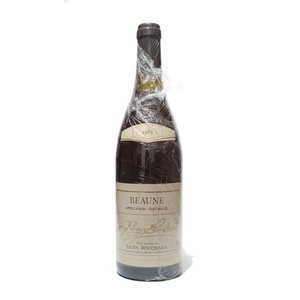
Julien Bouchard
Beaune 1985
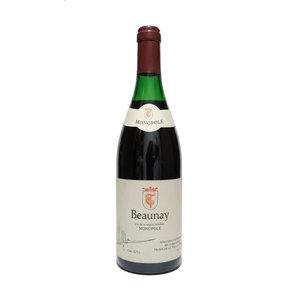
Trouvaille Vins et Co
Beaunay Monopole

Domaine de la Salle
Beaune Champimonts 1994
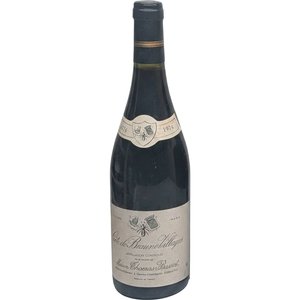
Maison Thomas Bassot
Côte de Beaune Villages 1974
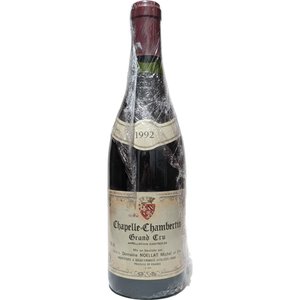
Domaine NOELLAT Michel et Fils
Chapelle-Chambertin Grand Cru 1992
Have wines from this region? List them on House Wine and reach collectors looking for exactly these bottles.
List your wines free